

A Russian trucker in Dordrecht involved in a bar brawl was released because the summons he received was poorly translated from Dutch into Russian using Google translate. When the trucker was being questioned at the police station, he had a Russian interpreter and claimed to have understood what he had to do, although he never signed the summons.
The Russian interpreter showed up in court, but not the trucker. She was asked to then translate what was written in the summons. Instead of (here I am translating this from Dutch) ‘you are to appear in court on 3 August 2010’, it went more like ‘you have to avoid being in court on 3 August 2010’. In Dutch, ‘vóórkomen’, with the stress on the first syllable, means ‘to appear’, while ‘voorkómen’ means ‘to prevent’.
With Google translate, the Dutch infinitive verb ‘voorkomen’ (no way to indicate which of the two identically spelled verbs you want translated) still today produced the infinitive verb ‘to prevent’ ‘предотвращать’ (imperfective aspect) and not even a hint of the perfective aspect of the same verb, ‘предотвратить’. In any decent dictionary both aspects are given so people can use the right one.
In Russian, if you pronouce the perfective verb ‘to write’ ‘напиÑать’ with the wrong stress, you’re pissing instead of writing, so yes, stress matters.
(Link: depers.nl)
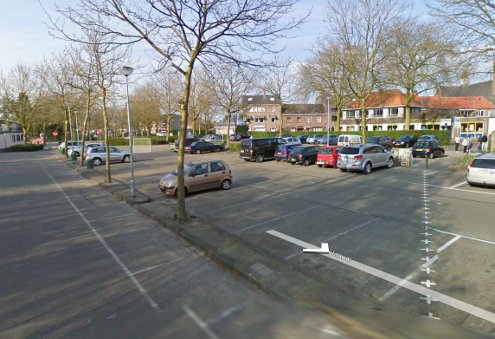

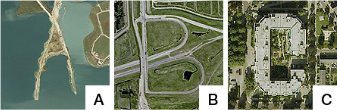 Over at the Google Earth forums, a user called Thomas de Bruin has assembled a complete
  Google has had a
  If the case of car dealer Zwartepoort against website Miljoenhuizen.nl has been in the news before, it can only have been as the sort of easily mocked example of how some folks start lawsuits over really anything and everything, no matter how trivial and unwinnable their cases are. But now Zwartepoorte have gone and won theirs. When you searched Google for the company name, you would get amongst others a result from Miljoenhuizen.nl seemingly explaining the car dealer had gone bankrupt. You know the type:
  “The Dutch don’t know how to Google,”