


 The euthanasia hospital in The Hague, Levenseindekliniek, is too popular.
Parool reports that there is a waiting list of four months. The clinic, which caters to people with a death wish and whose own doctor refuses to help them, has had to expand from six teams to seventeen, but still has difficulty catering to the demand. Last year more than 700 patients applied, but on 31 January only 94 people had been killed. Almost twice that number, 180, had been refused.
The strict Dutch euthanasia law makes it difficult to get euthanized. A request for euthanasia must be made repeatedly and patients must be of sound mind when they make such a request. Requests must be verified by at least two doctors. These criteria make it difficult for example to euthanize people with dementia, although it is apparently possible. Doctors who break the euthanasia law by not applying the six criteria of due care face stiff prison sentences.
The Levenseindekliniek was founded by the Dutch Association for a Voluntary End to Life (NVVE, 1973) in order to enable people to “say goodbye to life in a humane manner while surrounded by loved ones”. Currently the clinic is funded by its members and getting euthanized is free, NOS reports. There doesn’t seem to be an actual building associated with the clinic, it’s more of a roaming death teams type of thing.
See also: Mobile euthanasia units to perform home deaths
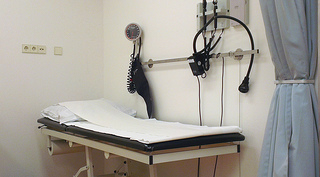
(Photo by Wikimedia user Incry, some rights reserved)



 Out of every 20 men that get convicted for possession of child pornography only one will ever rape a child, sexologist Erik van Beek
  Pulmonologist Rob Janssen of Nijmegen’s Canisius-Wilhelmina hospital has developed an iPhone app called Snore Trainer available for 2.39 euro that helps train people to stop snoring.
 Meet Hector, a robot developed by Dutch company Smart Homes (with the help of a lot of partners across Europe). His task is to help dementia sufferers around the home, and as a result help them be able to live at home longer.