


 Radio DJs Coen Swijnenberg (‘swine mountain’) and Sander Lantinga (wholly unremarkable name) have elected their ‘shame name’ for 2009: Fokje Modder.
Fokje had to fight other strong contestants like Constant Lam (‘continuously drunk’), Wil Krikke (‘wants to have sex’), and Englishman Ben Brack (‘have a hangover’) in an involuntary election of the oddest name of the country.
According to NOS Headlines, Fokje (pronounced fok ye) has never been troubled by her name, but she has never been abroad either.
Considering the amount of Fokjes whose last names end in -(e)ma, I would guess the name stems from Groningen.
Last year’s winner was Stanley Messie (‘small Stanley knife’).
Lantinga and Swijnenberg occupy the 4 – 7 pm slot on popular music channel 3FM.
(Photo by Flickr user Thelearnr, some rights reserved.)
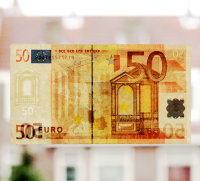 In 2007 the Dutch mint started with a pilot project that made it the first in Europe to print money using cotton for which the producers have not been exploited. So far, the 20 and 50 euro bills produced by De Nederlandsche Bank have contained 10 to 14% fair trade cotton.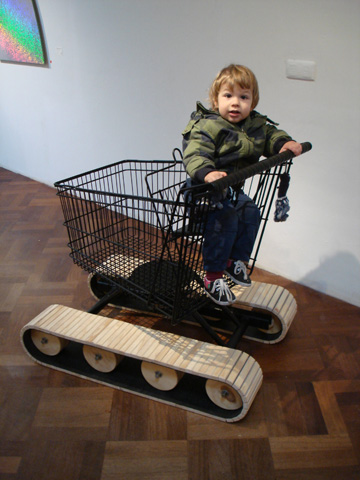
 Supporters of populist politicians use the phrase “You’ve got my vote” far more often than anyone else.
 Funk band
  NVPI, an organisation representing the ‘Dutch’ entertainment industry*, recently called for harsher measures against legal copying in the Netherlands, pointing out that there is a ‘sufficient’ supply of stores offering really legal downloads**. However, as Internet lawyer Arnoud Engelfriet points out, they are stretching the truth a bit.
  The
The 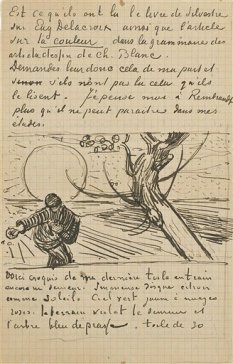 English translations of Vincent van Gogh’s letters to his brother Theo have been released in a 6 volume boxed set by the Van Gogh Museum in a 15-year-long cooperation with the Huygens Instituut. The original letters in French and Dutch have also been reproduced.
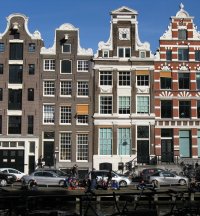 As you may know, Amsterdam was basically built in what can perhaps best be described as a swamp, and as it happens peat is not the best conceivable supporter for brick. Early Amsterdam residents got around this problem by driving huge wooden poles into the bog until it hit firmer ground and then building their houses on top of this wooden foundation.

