


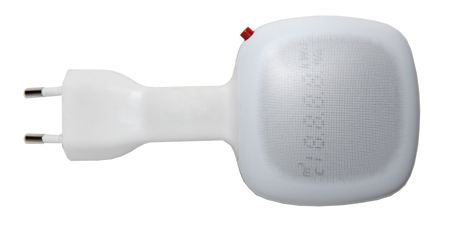
Although full of praise for the Netherlands in dealing with the flu situation, The Embassy of Mexico to the Kingdom of the Netherlands is displeased that the media and even Dutch governmental organisations are referring to the virus as the “Mexican flu”, and not “Swine flu” to appease the pork industry and animal rights activists that objected to the term “Swine flu”.
“The Embassy strongly rejects the use of the term ‘Mexican flu’. As evidence has shown, the virus’ initial outbreak in Mexico was merely circumstantial. Establishing a permanent association between the virus and Mexico is not only misleading, but also encourages discriminating attitudes towards Mexico and its people, that have already led to isolated incidents in the Netherlands, a country that prides itself of its tolerance and non-discriminatory values.”
Just blame Mexico. And there’s little old me trying to explain to Dutch friends that Mexico really is part of North America. I give up. A Mexican friend in Paris just this week told me she gave up long ago.
(Link: embamex-nl, via Taalpost, Photo: thinkgeek.com)
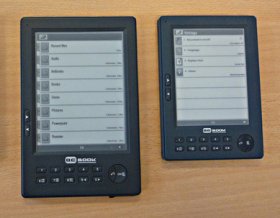 It seems Endless Ideas, Dutch manufacturer of the E Ink based BeBook electronic book readers, has announced a sub-200 euro e-book reader. “Who will break the 200 euro barrier?” the company mused philosophically on Twitter last week.
  Work a day for free, and reap the fruits of other creative professionals doing the same for you. That, in a nutshell, is the big idea behind the Doe Het Niet Zelf Days (Don’t DIY Days). These events can be themed—the Don’t DIY Week of last October was all about making animations—or have a more general purpose such as the most recent day last April which was for “creative entrepreneurs.”
  Najib Amhali is the country’s funniest ‘stand-up’ comedian, followed by Herman Finkers, according to a poll held by Intomart for Comedy Central. The two comedians switched positions in the Netherlands Humoronderzoek 2009, with Finkers leading last year,
  Patent lawyer
 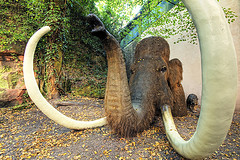 A special type of dredger used for mining sand in the Groote Wielen area of Den Bosch enabled amateur paleontologists Anton Verhagen and Dick Mol not only to add to their collection of bones, but also to keep track of the corresponding geological eras. The sand harvested by cutter-suction dredger Den Otter was to be used for building a new, nearby neighbourhood, and had to be scraped layer by layer in order to separate high-grade building sand from the rest. This method of dredging is slower, but because it separates out different types of sand early on, it’s apparently still cost-effective.