

We once set ourselves a goal of reaching 20,000 unique visitors a month (no one shot posting about something woohoo and then back to 6,000 or something) and thanks to everyone out there, we did it!
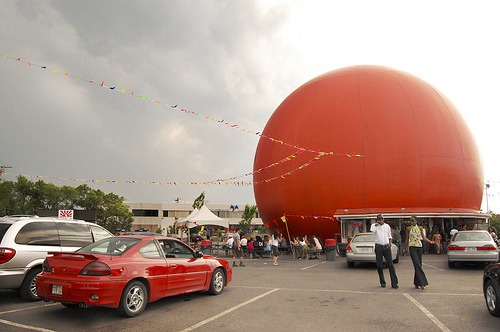
But first, about this photo: this is Gibeau Orange Julep ‘stand’ in Montréal, Québec. It serves orange julep, hotdogs and the likes. It’s a huge orange and the weather has a Dutch thing going for it.
As for what got 24oranges this far besides nicely pressed content, two words: Twitter and Flickr.
1) 24oranges is on Twitter and is getting lots more mobile phone and PDA visitors.
2) 24oranges is on Flickr. We share the photos we take ourselves and are proud to say that other blogs and sites use our photos.
Of course, the recent addition of 24oranges to Globalpost will definitely count for something soon.
Cheers!
(Photo by Bah Humbug, some rights reserved)
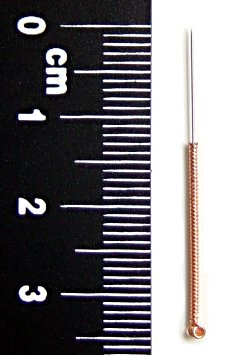 A judge in Haarlem ruled last month that acupuncturists who are also certified Doctors of Medicine qualify for a tax exemption that other acupuncturists must miss out on,
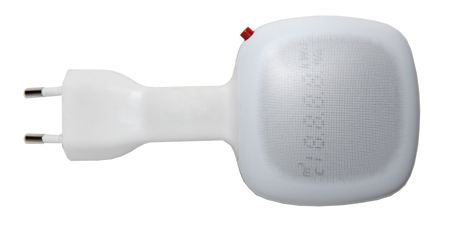
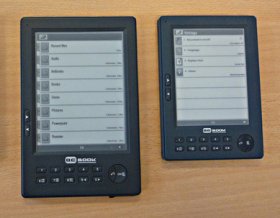 It seems Endless Ideas, Dutch manufacturer of the E Ink based BeBook electronic book readers, has announced a sub-200 euro e-book reader. “Who will break the 200 euro barrier?” the company mused philosophically on Twitter last week.
 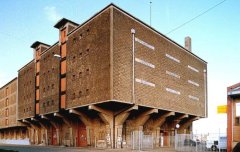 Work a day for free, and reap the fruits of other creative professionals doing the same for you. That, in a nutshell, is the big idea behind the Doe Het Niet Zelf Days (Don’t DIY Days). These events can be themed—the Don’t DIY Week of last October was all about making animations—or have a more general purpose such as the most recent day last April which was for “creative entrepreneurs.”
  Najib Amhali is the country’s funniest ‘stand-up’ comedian, followed by Herman Finkers, according to a poll held by Intomart for Comedy Central. The two comedians switched positions in the Netherlands Humoronderzoek 2009, with Finkers leading last year,
 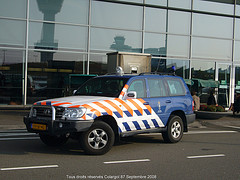 Patent lawyer
 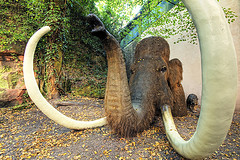 A special type of dredger used for mining sand in the Groote Wielen area of Den Bosch enabled amateur paleontologists Anton Verhagen and Dick Mol not only to add to their collection of bones, but also to keep track of the corresponding geological eras. The sand harvested by cutter-suction dredger Den Otter was to be used for building a new, nearby neighbourhood, and had to be scraped layer by layer in order to separate high-grade building sand from the rest. This method of dredging is slower, but because it separates out different types of sand early on, it’s apparently still cost-effective.