

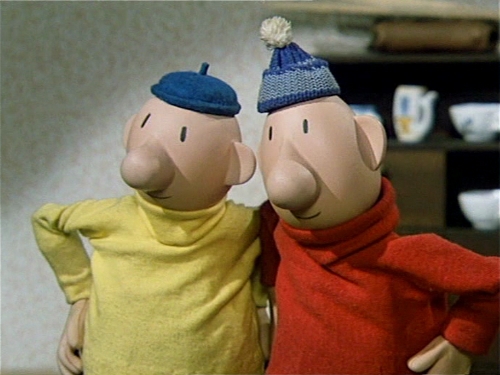
The stop motion series ‘Pat a Mat’ from the Czech Republic (then Czechoslovakia) created by Lubomír Beneš and Vladimír Jiránek from 1976 to 2015 has a wildly popular Dutch version called ‘Buurman en Buurman’ (‘Neighbour and Neighbour’), two handymen getting themselves into all kinds of trouble. The fun part is they never get mad at each other, delighting children and parents alike, so much so that some people probably think it’s Dutch of origin.
Yesterday on the Dutch telelvision show ‘Jinek’ named after host Eva Jinek who happens to have a Czech background, theatre show creator Jelle Kuiper announced he had been given the green light to write 10 more episodes of the show in collaboration with the Czech makers for international distribution sometime in 2017. Kuiper was thrilled to be asked to do this, again highlighting the popularity of the Dutch version since it first appeared on television in 1986.
During Jinek, Kuiper explained that the Germans tried to launch the show three times and failed, something that surprised the guests and the host considering how much Czech culture the German have embraced. Kuiper said that “the Germans didn’t like things going wrong”, and apparently the Dutch love that part a lot.
Grab a beverage and have a look:
(Link: www.rtvzoo.nl, Photo of Pat a Mat by Wikipedia)
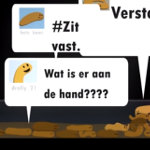 Waterschap Zuiderzeeland has animated a tweeting turd, Drolly_21, to create interest for the water board elections in the Netherlands next week.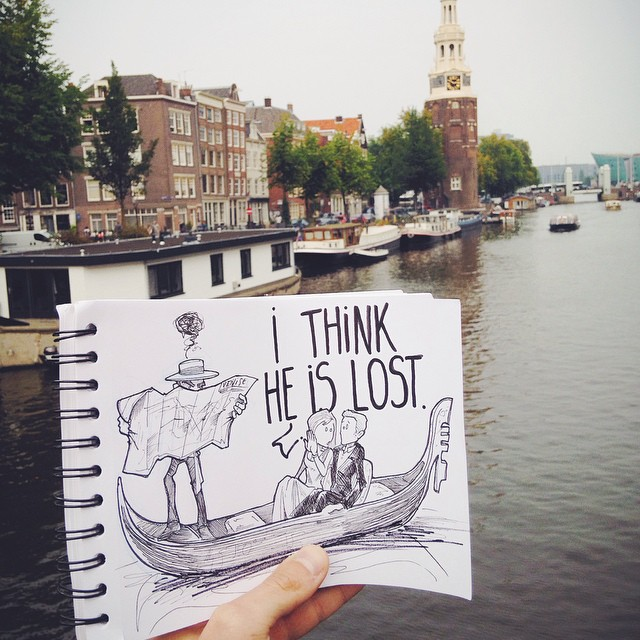
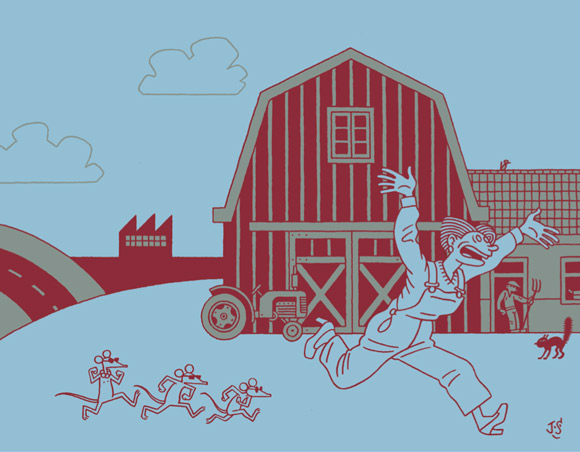
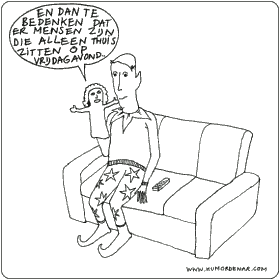 May 1 was the day Robert Schuit started a new cartoon blog at—guess where?—
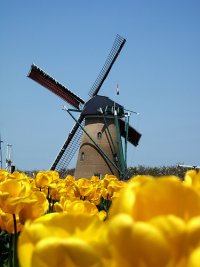 Last Wednesday famous cartoon character Spongebob Squarepants got a tulip named after him in the
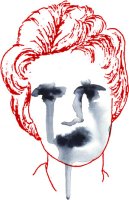 Paul Faassen is a cartoonist who juxtaposes techniques to make a point. I came across his work yesterday when I was reading an article in the online Volkskrant when something in the accompagnying cartoon (no longer available) drew my eye. It took a second but then I realized what it was: the faces of the two men men in the image were drawn fairly realisticly, but the rest of their bodies was sort of sketched in. The drawing reminded me most of connect-the-dot type drawings, where some details are already filled in. But instead of dots there had been empty space, which the child-like artist had filled in.