


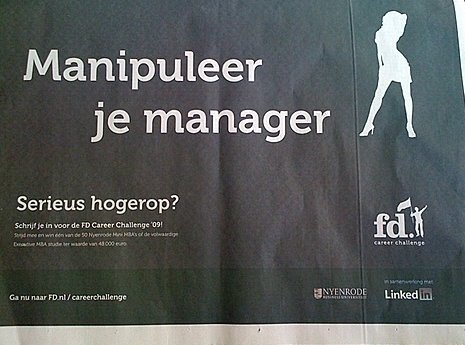
I mailed one of the sponsors, Nyenrode Business Universiteit, to find out why they would back an advert like this. Just like one of the people commented in our first attempt at grasping this campaign, the point remains “don’t wiggle your arse and hope it’ll get you somewhere, instead choose the serious path”. Of course, we get that, but it misses the mark on stereotypes. Thanks to another person who commented on the latest Heineken advert where both women and men are stereotyped equally, I was able to make my point.
A nice communications manager over at Nyenrode called me and asked me why I thought this advert was sexist. I thought it was obvious, but apparently it was not. The male version of this advert, which I did not see but had vaguely heard of, has a man trying to get promoted by serenading his boss (also implied to be male) on the guitar. It might have worked if the boss was a woman, you could have had a cute Romeo and Juliet thing going, but no.
Coming back to the Heineken advert which shows women fauning over clothes and men over beer (both believable stereotypes), and the fact that the advert above has a male version allowed me to make my point that the female stereotype is very plausible (women could possibly get ahead by shaking their booty), while a man serenading his boss would never come to mind to a man trying to climb the corporate ladder. In other words, the adverts play on a female stereotype, but not a male one.
In both cases the managers are male, a stereotype that’s painfully true and bothers the Nyenrode man in his professional life, probably why he’s looking forward to seeing more women get an MBA at his establishment. He admitted having to explain the campaign to many of his colleagues, which I said had two possible reasons: one, the advert is brilliant and we’re all too stupid to get it or two, it’s poorly done and having to explain it means it’s a problem and could deter possible candidates.
Another reason why this advert doesn’t work is because in general Dutch women are not dyed-in-the-wool career women like in the US. I say US because the point of the advert is to obtain an MBA, which is an American concept. I also told him that since Dutch women aren’t big on careers (in general, no not everyone), the chances of them shaking their moneymaker to the top is even slimmer. He said, he wished Dutch women would understand that having a career is not something you do four days a week, something his busy career wife understands very well.

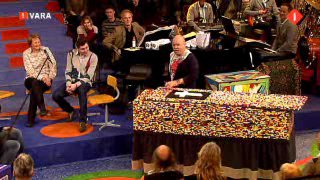
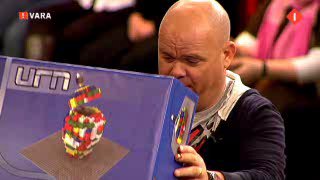

 The War on Fun is all nice and dandy, but apparently it shouldn’t impede on the little pleasures that its proponents enjoy. Mayor Ruud Vreeman of Tilburg, member of the PvdA (Labour) party that’s in the fun-hating government coalition that banned smoking in bars last year, lights up a cigar now and then in his office.

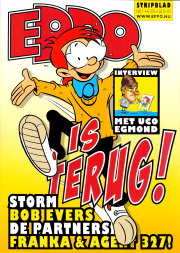 After WWII, Europe was treated to full-colour comic magazines, notably Robbedoes (Spirou) and Kuifje (Tintin), both from Belgium. The Netherlands had Pep en Sjors, which later merged into Eppo, which then became Sjosji, which went tits up in 1999 because kids don’t read comics anymore. A bunch of middle-aged men then got together and declared they refused to live in the present.
 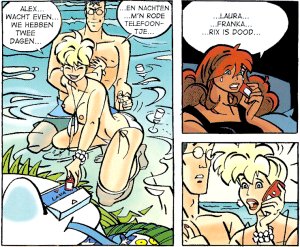 I am not sure whether I should cheer on the re-introduction of a regular, mainstream comics magazine in the Netherlands—not counting Donald Duck magazine which is a phenomenon hors categorie. Reading the mag feels a bit like choosing a coffin—surely I am not yet that old? On the other hand, the big guns of yesteryear have lost nothing of their story telling genius. The new Franka reads like Largo Winch (friendship, betrayal, high finance, Ludlum in comic form really), Martin Lodewijk gets ever better at mixing the old-fashioned and the corny with current events in his hilarious spy parody Agent 327, and there’s even a comic version of Havank’s The Shadow by none other than Daan Jippes.